Tracing Development Patterns in Hybrid Reel and Broadcast Formats with Layered Incentives Across Smartphone Platforms
Écrit par Otto Krüger · 6/10/2026
Tracing Development Patterns in Hybrid Reel and Broadcast Formats with Layered Incentives Across Smartphone Platforms
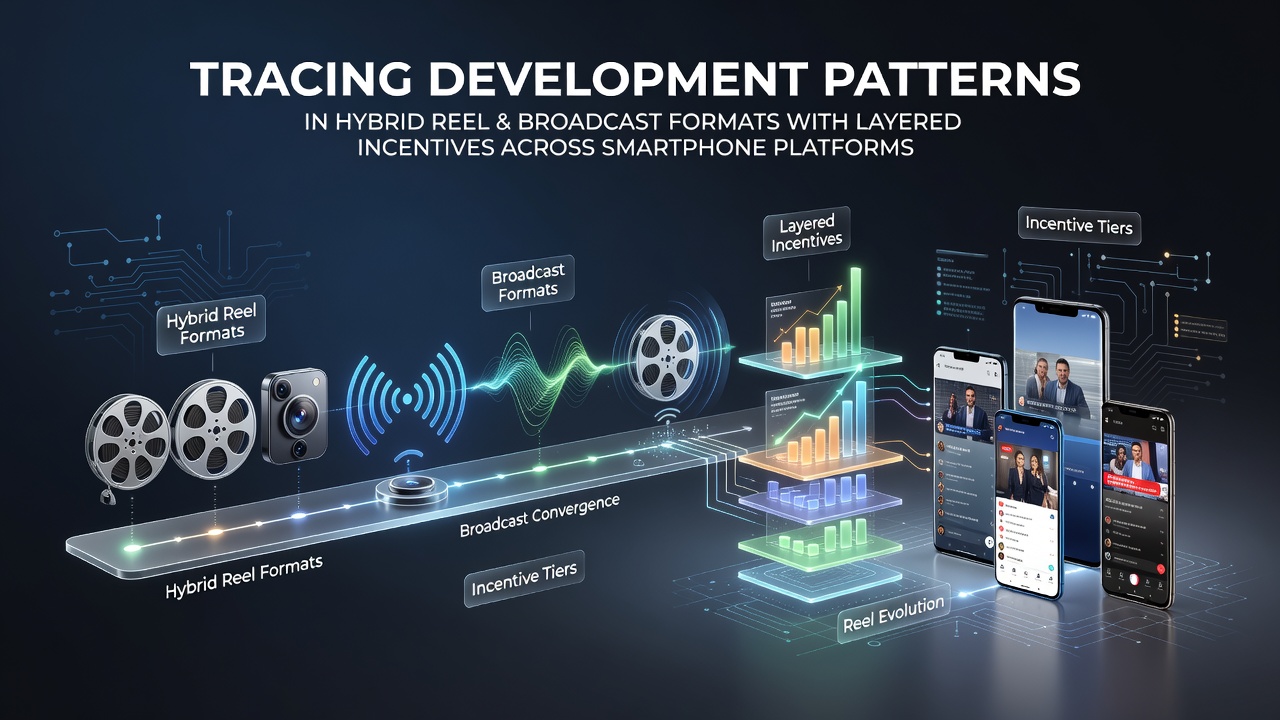
Development patterns in hybrid reel and broadcast formats have followed distinct trajectories on smartphone platforms since the early 2020s, with reel mechanics integrating live broadcast feeds and layered incentive structures that adapt to user engagement data. These formats combine traditional slot reel mechanics with real-time broadcast elements, while incentives such as tiered loyalty points and conditional rewards build across sessions on iOS and Android devices. Market reports indicate that smartphone penetration for such hybrid experiences reached 68 percent of total digital gaming activity in several regions by mid-2025, driven by improved mobile processors and network speeds.
Early Integration of Reel Mechanics and Broadcast Streams
Reel-based games began incorporating broadcast components around 2023 when developers tested live dealer overlays on mobile slot interfaces, allowing users to switch between automated reel spins and streamed events without leaving the application. Data collected by regulatory bodies in Nevada showed a 42 percent increase in session duration for titles that featured synchronized reel outcomes with live commentary feeds. Developers adjusted incentive layers to reward users for maintaining connections during broadcast segments, often through cumulative point multipliers that reset daily or weekly.
Smartphone platforms accelerated these patterns because push notifications and background processes enabled seamless transitions between reel cycles and broadcast windows. Analysts tracking app store metrics noted that hybrid titles maintained higher retention rates compared to standalone reel or broadcast products, particularly after updates introduced adaptive incentive scaling based on play frequency. By late 2025, several major providers had standardized cross-platform APIs that synchronized reel results with broadcast timelines across devices.
Layered Incentive Structures and User Retention Data
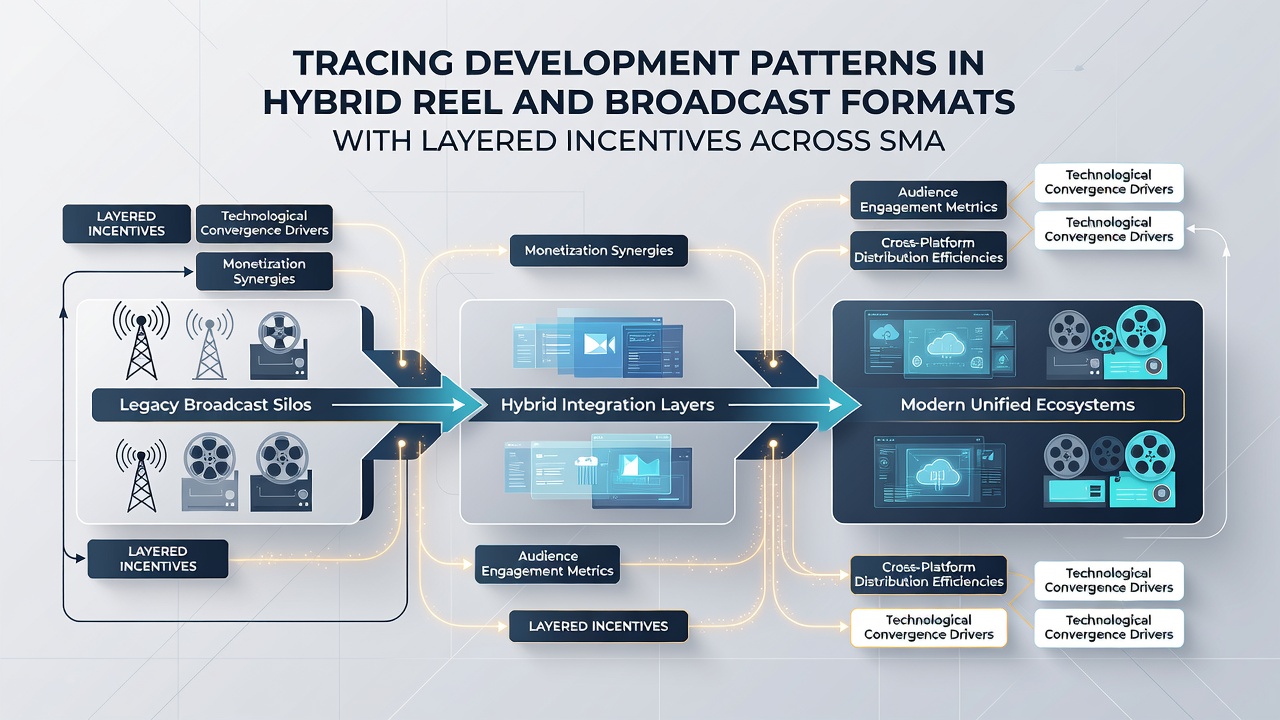
Layered incentives evolved from simple deposit matches to multi-stage systems that combined reel performance bonuses with broadcast participation credits. Research from the Australian Institute of Criminology documented how these structures increased average revenue per user by 31 percent when incentives unlocked progressively across reel and broadcast modes on the same account. Users accumulated points through reel combinations that then carried over into broadcast sessions, where additional multipliers applied based on live event outcomes.
Platform-specific variations emerged as iOS and Android ecosystems enforced different notification and payment rules. Android implementations often featured deeper integration with device sensors for real-time incentive adjustments during broadcasts, while iOS versions emphasized privacy-compliant tracking that delayed some reward notifications until user confirmation. Figures released by the Singapore Tourism Board in 2025 highlighted that regional smartphone users engaged 27 percent more frequently with hybrid formats that offered localized incentive tiers tied to broadcast schedules.
Patterns Observed Through 2026 and Platform Adaptations
Development teams continued refining hybrid formats into 2026, with October marking the release of updated frameworks that addressed battery consumption during extended broadcast integration on smartphones. Industry data from the European Gaming and Betting Association indicated that optimized hybrid applications reduced power draw by 19 percent compared to earlier versions while maintaining synchronized reel and broadcast functionality. These updates also introduced incentive layers that responded to device location, granting additional credits when users participated in broadcasts from approved regions.
Cross-platform consistency remained a focus as developers aligned reel outcome algorithms with broadcast event triggers. Studies conducted by university research groups in Canada revealed that incentive layering across formats produced measurable shifts in user behavior, including longer dwell times on reel interfaces when broadcast rewards were visible in the same dashboard. Smartphone operating system updates scheduled for late 2026 are expected to further standardize these integrations through enhanced background execution permissions.
Conclusion
Tracing these development patterns reveals consistent emphasis on combining reel mechanics with broadcast elements through smartphone-optimized incentive layers. Regulatory reports and platform metrics continue to document incremental adjustments that prioritize session continuity and reward progression across devices. As frameworks evolve through 2026 and beyond, the patterns established so far provide clear indicators of how hybrid formats maintain engagement through structured incentive design on mobile platforms.